The Sky That Just Won’t Shut Up: Why A Global Wave Of Mystery Booms Is Suddenly Back On The Map
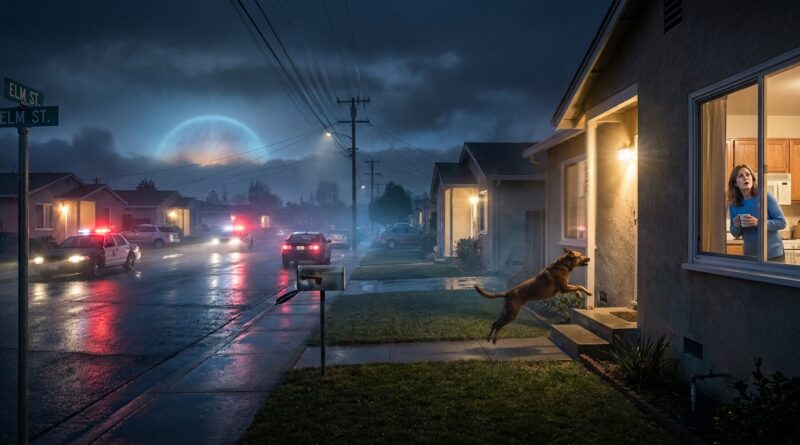
You hear one sharp blast. The windows jump. Maybe the floor gives a quick shiver. You step outside expecting a wreck, a storm, a transformer fire, something. Nothing. That is what makes mystery booms so maddening. When there is an unexplained loud boom with shaking but no explosion, your brain wants a neat answer, and too often the official response is a vague shrug. That leaves people feeling rattled and a little foolish for even asking.
The odd part is that this is not just your neighborhood being jumpy. In the last 24 hours, crowd reports have popped up from California to the Midwest, with people describing a single violent bang, house shaking, flashes, and no clear source. That matters. It means the best response is not to panic, but to document what you heard and compare it with live reports. A scattered set of weird noises starts to make more sense when lots of people log the same thing in the same time window.
⚡ In a Hurry? Key Takeaways
- Most mystery booms have ordinary possible causes, like sonic booms, quarry blasting, transformers, meteors, or small earthquakes, but many events are never firmly confirmed.
- If you hear one, note the exact time, location, weather, any shaking or flash, and check crowd-sourced report maps and local seismic data right away.
- If there is smoke, damage, a gas smell, or repeat blasts, treat it as a real emergency first and call local authorities before playing detective online.
Why these mystery booms feel so unsettling
A loud noise is one thing. A loud noise with no obvious source is something else entirely.
People often describe the same pattern. One huge crack or thud. Windows rattle. Car alarms trip. Pets freak out. Then silence. No thunderstorm. No visible crash. No crater. No official statement that clears it up.
That gap between what you felt and what anyone can explain is where the stress comes from. It is also why search terms like “mystery booms unexplained loud boom shaking no explosion” keep spiking whenever a new cluster of reports appears.
What usually causes a mystery boom
The frustrating answer is that “mystery boom” is a description, not a single cause.
Sonic booms from aircraft
This is one of the most common explanations. A jet moving fast enough can create a pressure wave that sounds explosive and can shake buildings. The catch is that military flight details are not always public right away, so people hear the boom long before anyone confirms it.
Quarry blasting or construction blasting
Controlled blasting can travel farther than people expect, especially in certain weather conditions. A blast miles away can still feel local if the sound channels well through the air.
Meteors or “bolides”
A fireball breaking up high in the atmosphere can create a delayed boom, sometimes along with a flash. This can fit the reports when people mention bright light and then a bang seconds later.
Small earthquakes or frost quakes
Not every quake feels like rolling ground motion. Some produce a short, punchy jolt and a boom-like sound. In colder regions, frost quakes can do something similar when ground moisture rapidly freezes and expands.
Industrial accidents or transformer failures
Sometimes the answer is local and simple, just not widely communicated. A blown transformer can make a violent bang and flash. So can equipment failure at a plant or substation.
Skyquakes and other poorly pinned-down events
There is also a stubborn category where none of the obvious explanations cleanly fit. If you have been following this topic, you may also like The Glacier That Growls At Night: What Is Hiding Behind Earth’s Newest ‘Skyquake’ Mystery?, which looks at another version of the same strange pattern: people hear and feel something real, but the source stays slippery.
Why reports seem to come in waves
Part of it is attention. Once one person posts about a boom, others realize they were not imagining it and start reporting too.
But that is not the whole story. Weather can help sound travel farther. Temperature inversions can bend sound back toward the ground, making distant events seem much closer. Military training schedules, seasonal freezing, storm patterns, and even meteor showers can also make clusters more likely at certain times.
So yes, some waves are social. Some are physical. Often it is both.
Your plain-language playbook after a mystery boom
1. Start with safety, not curiosity
If you smell gas, see smoke, spot a damaged power pole, or hear repeated blasts, call emergency services or your utility provider first. Do not assume it is just another internet mystery.
2. Write down the exact time
This is the single most useful thing you can do. Not “around dinner.” Not “late last night.” Use the time on your phone to the minute if possible. Most matching systems live or die on timing.
3. Note what you actually experienced
Try this quick checklist:
- Exact location
- Time and time zone
- One boom or multiple
- Shaking, rattling, or vibration
- Flash of light or no flash
- Weather conditions
- Direction it seemed to come from
- Any nearby sirens, outages, or alarms
4. Check live crowd reports
This is where confused witnesses stop feeling so alone. Search local social media, neighborhood groups, and crowd-sourced anomaly trackers. If ten people in a 20-mile line all report the same bang within two minutes, that is useful pattern data.
5. Compare against earthquake and weather data
Look at public seismic maps for small local events. Then check weather radar and lightning data. If there was no thunder, no storm cell, and no quake, you have narrowed the field.
6. Look for aircraft or airspace clues
Flight trackers can sometimes show military or fast-moving aircraft nearby, though not always. If the boom covered a wide area with no damage, a sonic boom stays on the list.
7. Check for local utility or fire reports
A transformer failure often gets logged quickly by residents or utility accounts. Same goes for substation incidents and brush fires caused by electrical faults.
How to triangulate a boom without fancy gear
You do not need lab equipment to make your report more useful.
Use timing differences
If people in one town heard it at 8:14 and people 25 miles east heard it slightly later, that can hint at direction or travel path, especially if there was a visible flash tied to the sound.
Map the strongest shaking reports
If one cluster felt a chest-thump while another just heard a distant bang, the stronger group may be closer to the source. It is not perfect, but it helps.
Separate “heard” from “felt” reports
This matters more than people think. Sound can travel oddly. Shaking suggests either a pressure wave strong enough to couple into structures or a source closer to ground level.
What not to do
Do not fill in gaps with certainty you do not have.
It is fine to say, “possible sonic boom,” or “possible meteor.” It is not helpful to declare a cover-up because nobody has answered within 30 minutes. A lot of these events take time to sort out, and some never get a neat label.
Also, do not post your neighbors’ addresses, security footage details, or private camera feeds without permission. Good crowd work still needs basic common sense.
When a “nothingburger” still matters
Even if the final answer turns out to be a quarry blast or aircraft shock wave, your report still has value. It helps build a record of what happened, where, and how it was experienced on the ground.
That record is exactly what helps sort ordinary events from truly odd ones. One person hearing a bang is a story. Hundreds of time-stamped reports lined up across a region is data.
At a Glance: Comparison
| Feature/Aspect | Details | Verdict |
|---|---|---|
| Most likely causes | Sonic booms, blasting, transformer failures, meteors, and small seismic events explain many reports. | Usually explainable, but not always quickly. |
| Best first action | Record exact time, location, shaking, flash, and weather. Then compare with local reports and public data. | Most useful step for turning confusion into evidence. |
| When to treat it as urgent | Smoke, damage, gas smell, power loss, or repeated blasts suggest a local hazard, not just a mystery. | Safety first, investigation second. |
Conclusion
If you heard a mystery boom and got nothing but shrugs, you are not being dramatic. Within the last 24 hours, crowd-sourced monitoring networks have logged fresh reports from California to the Midwest, often with shaking and flashes but no confirmed source. That means plenty of people are sitting in their kitchens right now wondering if anyone else felt it too. The good news is that you can do more than just wonder. A simple, careful record of what you heard, when you heard it, and what others nearby experienced can turn an unexplained loud boom with shaking but no explosion into something the wider community can compare, test, and build on. Even when the answer stays fuzzy, the reporting does not have to.